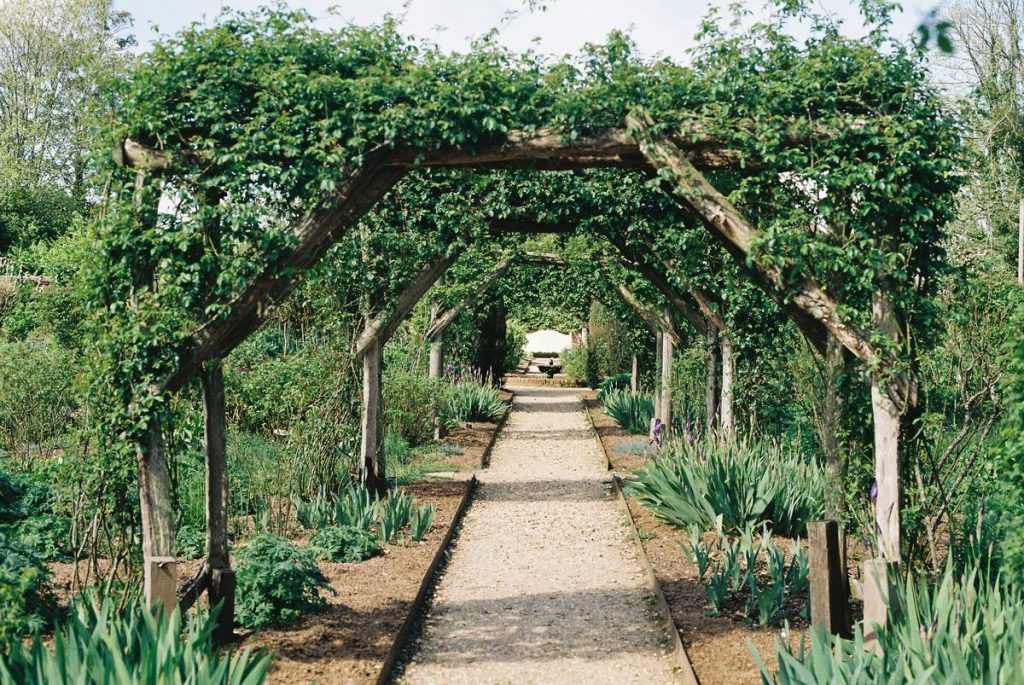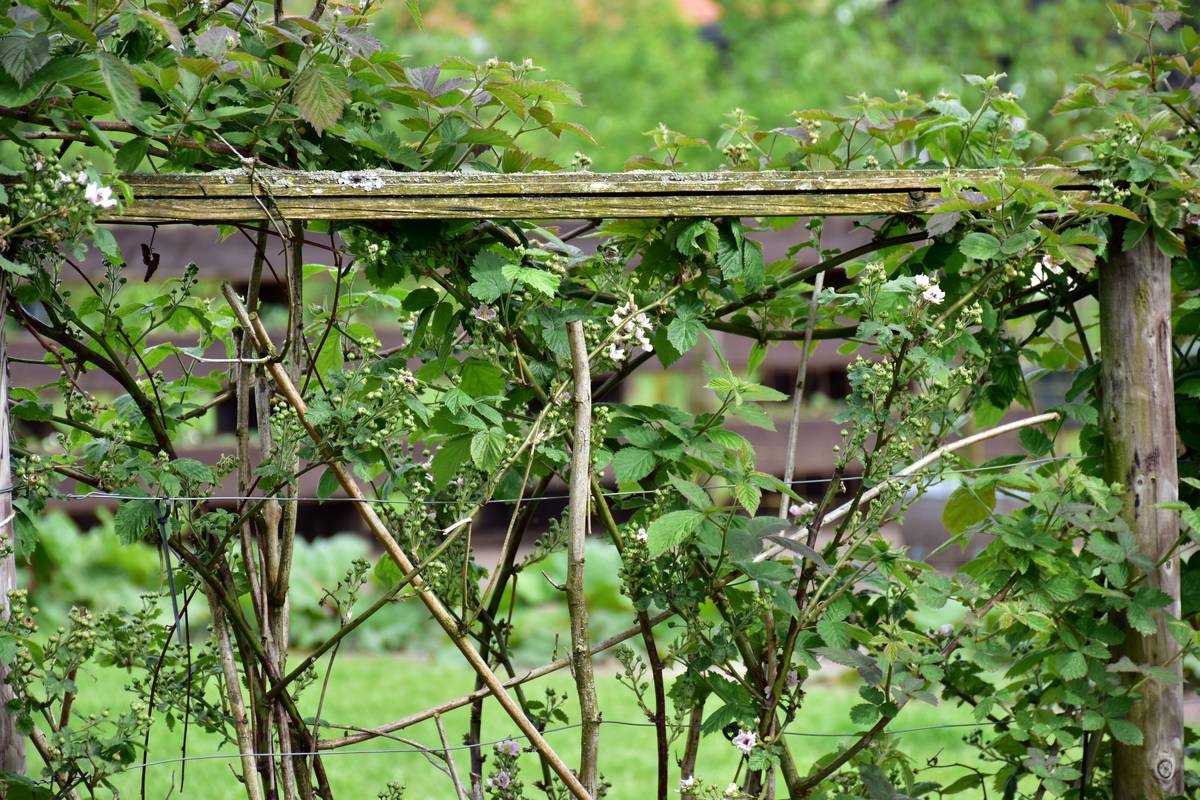
If your climbing roses are flopping onto the sidewalk like tired party guests, or your clematis looks more tangled than your earphones after a week in your pocket—you’re not alone. Poor trellis choices sabotage even the most devoted gardeners. But with the right outdoor trellises for plants, you can transform unruly vines into architectural masterpieces that boost curb appeal and plant health. In this guide, we’ll walk through material pitfalls, installation secrets, and real-world fixes—so you never waste another season on flimsy frames.
Table of Contents
- Why Your Garden Deserves Better Than a Flimsy Frame
- How to Choose & Install the Right Trellis (Without Regret)
- 5 Best Practices Backed by Real Gardeners
- Real Results: From Floppy Vines to Vertical Glory
- Frequently Asked Questions
Key Takeaways
- Material choice affects longevity more than design—wood rots, metal rusts, vinyl fades.
- Anchor your trellis deep; surface mounting invites disaster in wind or heavy rain.
- Match trellis scale to plant growth habit—not just aesthetics.
- Always leave airflow gaps to prevent fungal diseases.
- Repurpose salvaged materials wisely—but never skip structural integrity checks.
Why Your Garden Deserves Better Than a Flimsy Frame
I once bought a gorgeous wrought-iron trellis from a big-box store, installed it with pride beside my front porch, and watched it collapse under morning glories by mid-July. Turns out, “decorative” meant “not load-bearing.” That $89 lesson taught me: outdoor trellises for plants aren’t just ornamental—they’re functional infrastructure. According to the University of Illinois Extension, improper support is a top reason for vine failure in home landscapes, leading to broken stems, poor air circulation, and increased disease risk.
How to Choose & Install the Right Trellis (Without Regret)
Step 1: Match Material to Climate
In humid zones, cedar or redwood resist rot better than pine. For coastal areas, powder-coated aluminum beats untreated steel. The USDA Plant Hardiness Zone Map (planthardiness.ars.usda.gov) helps you assess regional challenges.
Step 2: Size It Right
A fast-growing wisteria needs 8–10 ft of vertical space; sweet peas thrive on 4–6 ft. Measure your mature plant height—not its nursery tag.
Step 3: Secure It Properly
Never rely on wall anchors alone. Drive posts at least 18 inches into the ground (24 in windy areas) or bolt directly into structural framing—not just siding.
5 Best Practices Backed by Real Gardeners
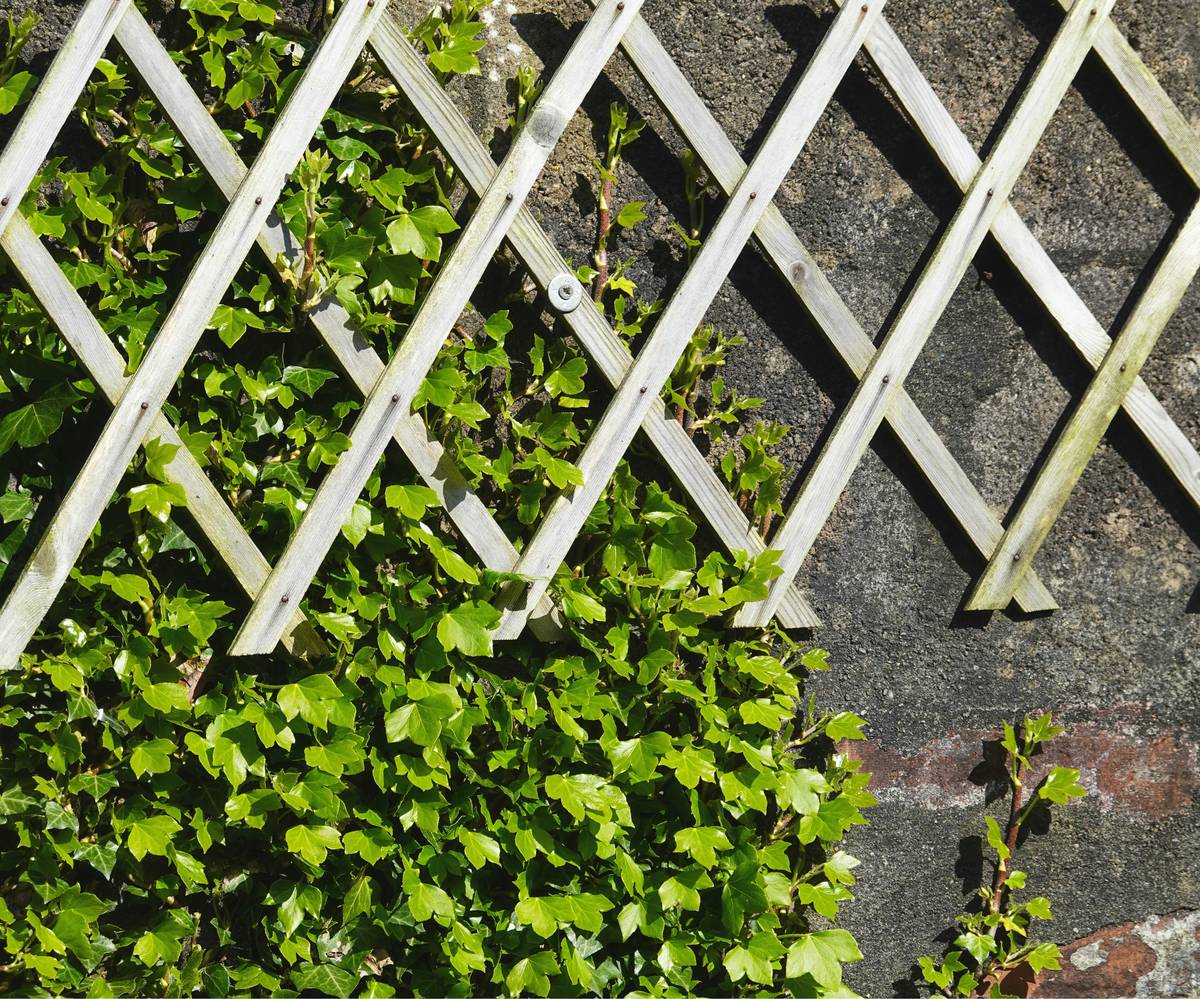
- Leave breathing room: Keep trellises 2–3 inches from walls to reduce moisture buildup.
- Pre-stain wood: Unsealed wood absorbs water, warps, and invites mildew. Use an exterior-grade sealant annually.
- Avoid the “terrible tip”: Don’t use chicken wire as a trellis—it sags, cuts stems, and offers zero aesthetic value.
- Think long-term: If planting perennial vines (like jasmine), invest in galvanized steel or hardwood frames.
- Maintain access: Design with pruning in mind. Removable panels or wide grid spacing save hours each season.
Real Results: From Floppy Vines to Vertical Glory
Last spring, a reader in Portland replaced her collapsing bamboo trellis with a custom-built cedar lattice anchored 24 inches deep. By September, her ‘Henryi’ clematis covered 12 square feet without sagging—and she reported zero powdery mildew, thanks to improved airflow. Meanwhile, the National Gardening Association notes that properly supported vines produce up to 30% more blooms due to optimized sunlight exposure and reduced stem stress.
At Woodled Law, we’ve seen how thoughtful outdoor structures elevate entire properties. Learn more about our philosophy on durable, beautiful spaces in our About Us section.
Frequently Asked Questions
Can I use a trellis for vegetables like cucumbers or beans?
Absolutely! Lightweight veggie trellises work well, but ensure grid spacing is 4–6 inches for easy harvesting. Just confirm the frame can handle wet foliage weight after rain.
How do I clean an old metal trellis before reuse?
Scrub with a vinegar-water mix (1:1), rinse thoroughly, then apply rust-inhibiting primer before repainting. Never skip the primer—it prevents rapid re-rusting.
Are vinyl trellises eco-friendly?
They last decades and require no paint or stain, reducing chemical runoff. However, they’re derived from petroleum. For sustainability, consider reclaimed wood from sources like Habitat for Humanity ReStores.
Do trellises increase property value?
Indirectly, yes. Well-maintained landscaping—including structured greenery—can boost curb appeal and buyer interest, per a Virginia Tech study cited by the American Society of Landscape Architects (asla.org).
Should I install a freestanding or wall-mounted trellis?
Freestanding offers flexibility and airflow but needs deeper anchoring. Wall-mounted saves space but requires careful moisture management. Choose based on your plant’s needs—not convenience.
Remember: great gardens aren’t built on hope—they’re built on solid frames. If you’re ready to design a trellis system that lasts, share your vision with us. We’d love to help—just reach out. And don’t worry—we’ll never sell your details; our Privacy Policy guarantees that.
Here’s to strong stems, bold blooms, and trellises that stand tall through every storm.