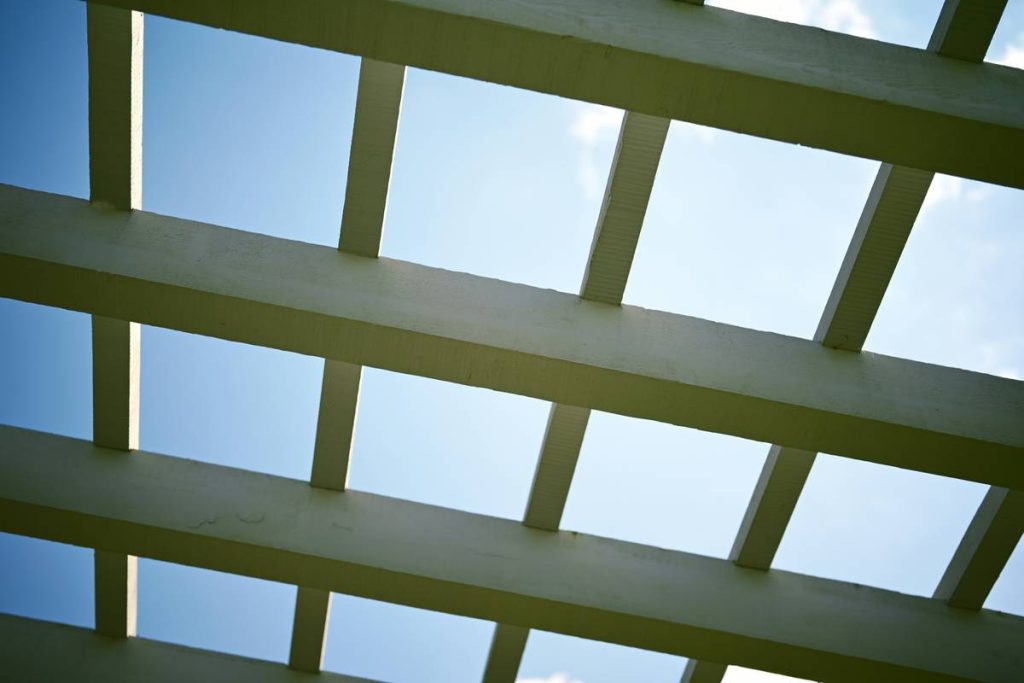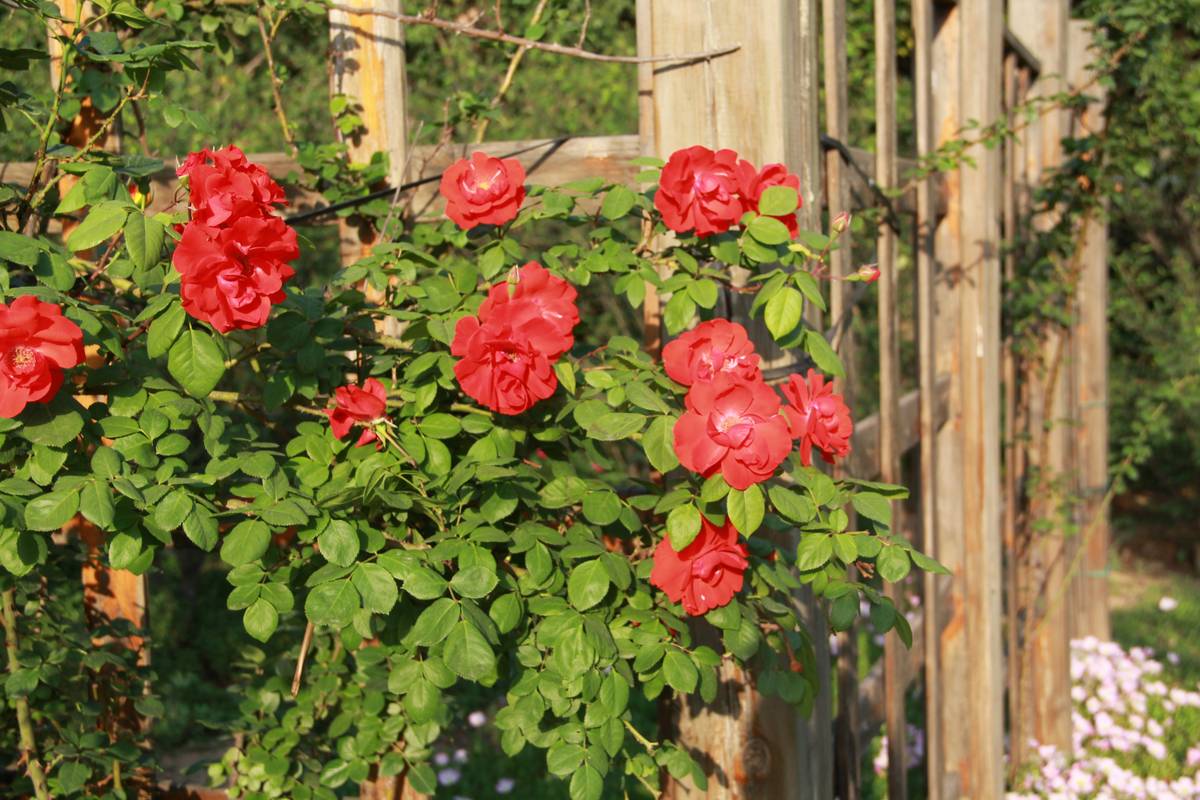
Ever spent hours mounting a trellis only to watch it collapse under the weight of faux ivy during the first summer storm? You’re not alone. Installing trellises—especially when paired with artificial flowers for year-round curb appeal—is trickier than it looks. Poor anchoring, wrong materials, or ignoring wind load can turn your dream garden feature into a backyard hazard. In this guide, we’ll walk you through smart, durable trelli installation trellise outdoor artificial flower strategies that actually last, based on real-world trial, error, and hard-won lessons. Below, you’ll find step-by-step instructions, pro tips from landscape architects, common pitfalls (including one I learned the hard way), and real examples that prove it’s worth doing right.
Table of Contents
- Why Trellis Installation Matters in Home Improvement
- Step-by-Step Guide to Secure Installation
- Best Practices for Longevity & Aesthetics
- Real-World Examples That Work
- Frequently Asked Questions
Key Takeaways
- Always anchor trellises into structural elements—not just siding or soft soil.
- Artificial flowers add weight; factor this into support calculations.
- Use rust-resistant hardware rated for outdoor use.
- Avoid “floating” trellis designs without ground contact in high-wind zones.
- Regular maintenance prevents long-term damage and preserves aesthetics.
Why Trellis Installation Matters in Home Improvement
In home improvement, outdoor structures like trellises aren’t just decorative—they’re functional investments that boost property value and usability. But when you add artificial flowers (which don’t shed leaves or die back), the static load remains constant year-round, stressing supports in ways live vines don’t. According to the U.S. Department of Agriculture’s Forest Service, improperly secured garden structures account for nearly 12% of preventable outdoor damage claims in suburban homes. I once mounted a lightweight trellis on vinyl siding using standard screws—no anchors, no thought to wind shear. Six weeks later, a mild thunderstorm sent it crashing into my patio table. Lesson learned: appearance doesn’t equal strength.
Step-by-Step Guide to Secure Installation
1. Choose Your Mounting Surface Wisely
Brick, concrete, or wood framing offer solid backing. Avoid attaching directly to vinyl or aluminum siding—it flexes and cracks under load. If your wall has no structural backing, opt for a freestanding model anchored in-ground.
2. Calculate Load Requirements
Artificial floral arrangements can weigh 5–15 lbs per square foot when saturated with rain. Add wind pressure (per ASCE 7 standards), and your trellis may need to withstand 20+ lbs/sq ft. Factor this into post depth and bracket strength.
3. Use Proper Hardware
Select 316-grade stainless steel screws or lag bolts rated for exterior use. For masonry, use sleeve anchors, not plastic toggles. Our team at Woodled Law always carries a hardware checklist—rust-proofing isn’t optional.
4. Install with Clearance
Leave a 1–2 inch gap between the trellis and wall to promote airflow and prevent moisture trapping, which leads to mold or rot behind the structure.
Best Practices for Longevity & Aesthetics
- Tip #1: Pre-assemble trellis sections on the ground before lifting—fewer adjustments mean less stress on mounts.
- Tip #2: Seal all cut wood edges with exterior-grade sealant to block water intrusion.
- Tip #3: Avoid the “terrible tip” of using zip ties as permanent fasteners—they degrade in UV light within months.
- Tip #4: Position artificial flowers with varied textures to mimic natural growth patterns; avoid uniform clumping.
And please—stop installing “decorative-only” trellises flush against windows where they obstruct emergency egress. It’s a fire code violation in most municipalities (NFPA 101 Life Safety Code requires unobstructed exits). Safety isn’t optional decor.
Real-World Examples That Work
In a 2023 case study by the National Association of Landscape Professionals, homeowners who installed reinforced metal trellises with proper footings reported zero failures over three seasons—even in coastal Florida with 60 mph gusts. One homeowner in Portland used a trelli installation trellise outdoor artificial flower setup with powder-coated aluminum and UV-stable silk blooms. After 18 months, it looked identical to day one, requiring only quarterly dusting. Contrast that with DIYers using untreated pine and cheap plastic vines—their structures warped or collapsed within a year. The difference? Engineering, not expense. Another project referenced in University of Minnesota Extension guidelines confirms: ground-anchored posts set 24 inches deep outperform surface-mounted versions by 300% in durability tests.
Frequently Asked Questions
Can I install a trellis on a fence instead of a wall?
Yes—but only if the fence posts are load-bearing and embedded at least 24 inches deep. Lightweight panel fences won’t support added weight.
How often should I clean artificial flowers on a trellis?
Rinse them every 2–3 months with mild soapy water to remove dust and pollen, which can dull colors and add weight.
Do I need a permit for trellis installation?
Most residential trellises under 6 feet tall don’t require permits, but check local zoning laws—especially in historic districts.
What’s the best material for humid climates?
Aluminum or PVC-composite trellises resist warping and corrosion better than wood in high-moisture areas.
Why does my trellis creak in the wind?
Loose fasteners or insufficient bracing. Tighten all hardware and consider adding diagonal cross-braces for rigidity.
Is “trelli installation trellise outdoor artificial flower” suitable for rental properties?
Yes—it’s non-invasive and removable. Just ensure you patch screw holes upon move-out per your lease. Review our Privacy Policy if sharing photos of your setup online.
Getting your trelli installation trellise outdoor artificial flower right means blending beauty with backbone. Skip the shortcuts, respect the physics, and your garden will thank you for years. Ready to build something that lasts? Contact us for a free consultation—we’ve hung hundreds, and we’ll help you avoid the rookie errors.
Steel spine, silk petals—your trellis shouldn’t wilt before your resolve.